How a Pizza Restaurant Keeps Customers Coming Back
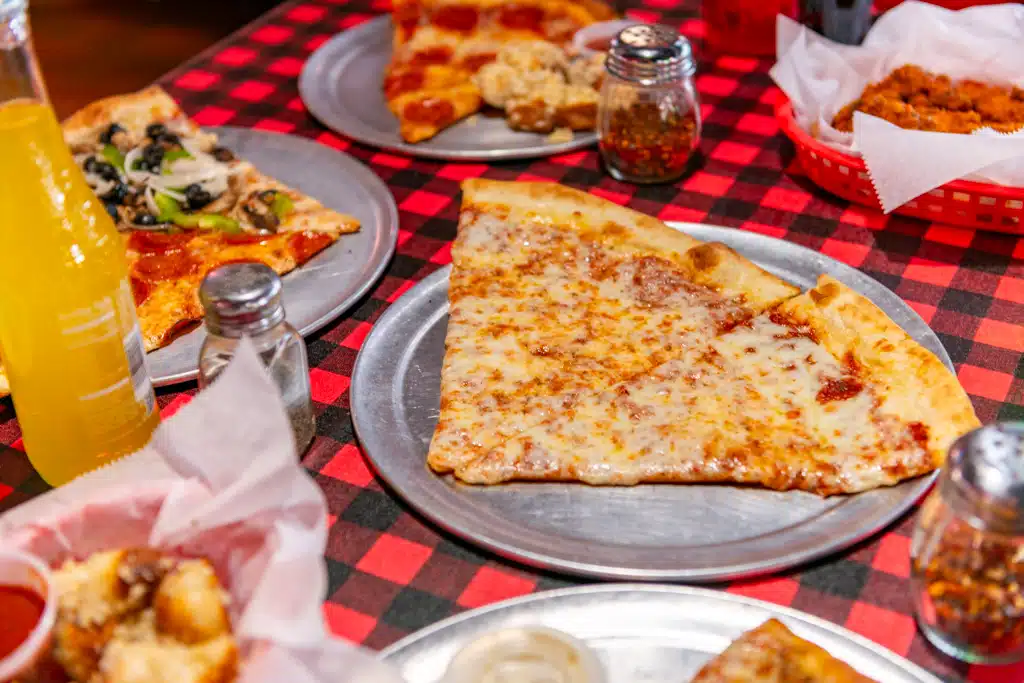

A busy pizza restaurant is not built on a great opening week. It is built on the fifth visit, the tenth order, the family that stops experimenting with other places because they already know where Friday night is coming from. Plenty of operators spend heavily to get attention, then quietly lose margin because they have not solved the harder problem, which is giving people a reason to return without being reminded.
Customer loyalty in pizza is deceptively simple from the outside. Make a good pie, answer the phone, deliver on time. That is the baseline. What separates a place that survives from one that develops a real following is consistency under pressure, strong memory of customer preferences, and an experience that feels dependable even when the dining room is full, the ovens are backed up, and three third-party tablets are chirping at once.
The pizza business has always been a repeat business. Unlike destination fine dining, a neighborhood pizza restaurant lives or dies on habit. People order pizza for birthdays, late meetings, school nights, playoff games, tired Saturdays, and those evenings when nobody wants to cook. That means the customer is not looking for novelty every time. More often, they are looking for confidence. They want to know that the crust will have the right chew, the pepperoni will curl the same way it did last month, and the order will arrive close enough to the promised time that hungry children do not turn dinner into a household emergency.
That confidence is earned in layers.
The first job is removing friction
People come back to what is easy. Operators often underestimate how many customers are lost before the food enters the equation. If the parking situation is chaotic, the online menu is confusing, the phone goes unanswered at peak hour, or a carryout guest has to stand awkwardly near the register waiting to be acknowledged, that friction accumulates.
A pizza restaurant does not need to feel luxurious, but it does need to feel legible. Guests should know where to order, where to wait, how long it will take, and what to expect if there is a delay. Clear menu structure matters more than many owners think. When the topping combinations are all over the place, sizes are inconsistently named, and specialty pies read like an essay, ordering becomes work.
The strongest operations simplify the path. A first-time guest should be able to answer three questions quickly: what should I get, how much does it cost, and how long will it take? The easier those answers come, the more likely that first purchase becomes a repeat purchase.
This applies online even more than in person. Many pizza restaurants lose regulars because their digital ordering experience is clumsy. A slow website, missing modifiers, coupon codes that fail at checkout, or a delivery map that excludes an address one week and accepts it the next, these are small technical irritations that drive people elsewhere. Customers rarely write to explain why they disappeared. They just stop trying.
Consistency beats brilliance
There is a romantic idea in hospitality that memorable food alone creates loyalty. In pizza, consistency is usually more valuable than flashes of brilliance. A stunning pie once every five visits is not nearly as powerful as a very good pie every single time.
This is harder than it sounds. Dough changes with humidity. Cheese browns differently depending on the make line load. Sauce can tighten up if held too long. A strong pizza restaurant understands that repeat business comes from https://louisnmup148.valiantfield.com/posts/how-a-pizza-restaurant-delivers-comfort-and-quality process, not just passion. The best operators know their dough temperature targets, their proofing windows, and how far a pie can be pushed in the oven before texture changes in a way the customer will notice.
Guests may not have the language for these details, but they feel them immediately. If a customer loved the crispness of the crust on their first order and the second one shows up limp in the box, trust slips. If a dine-in guest remembers balanced seasoning and then gets a salty pie the next week because someone was heavy-handed on finishing cheese, the restaurant becomes less reliable in their mind.
Reliability is emotional. People return to places that reduce decision fatigue. The promise is simple: if you order from us, your evening will probably go well.
Hospitality shows up in tiny moments
The pizza category often gets discussed like a purely operational business. Speed, ticket times, food cost, labor percentage. Those metrics matter, but they do not fully explain loyalty. A pizza restaurant keeps customers coming back when people feel recognized rather than processed.
That can be subtle. It might be the cashier who remembers that one customer always asks for extra cups of ranch, or the driver who knows which apartment entrance saves five minutes. It might be a manager who notices a regular has been waiting too long and offers a sincere update before being asked. Guests do not need grand gestures. They need evidence that someone is paying attention.
A common mistake is treating hospitality as scripted friendliness. Most customers can tell when they are hearing a polished line versus receiving actual care. “Thanks for your patience” lands differently when the employee making eye contact has clearly checked on the order and can give a real estimate. “How is everything?” means more when the server remembers they remade a pizza last visit and wants to make sure the crust is right this time.
Good operators train for observation, not just recitation. The aim is not robotic politeness. It is situational awareness.
The menu should reward regulars, not just impress newcomers
Many restaurants design menus to win the first order. Big photos, loaded specialty pies, novelty toppings, oversized portions. That can drive trial, but return business depends on something else. The menu has to hold up over time.
A smart pizza menu usually has a stable core that people can attach to. That means dependable house pies, customizable options that are easy to navigate, and enough range for different moods without becoming bloated. If every pizza is overloaded, rich, and designed for social media, customers may try it once and move on. Regulars need options they can imagine eating twice a month.
Balance matters. A menu that keeps customers coming back often includes a few different lanes: comfort classics, a house signature that defines the brand, some lighter options, and sides or salads that make the order feel complete. Families especially value this. If one person wants a simple cheese, one wants heat, one wants a salad, and one wants gluten-free crust, the restaurant that handles all of that cleanly becomes the default choice.
The same logic applies to pricing. If everything is engineered for maximum check average, customers notice. A pizza restaurant can charge premium prices when quality supports it, but there should still be enough perceived fairness that guests feel comfortable making the place part of their routine instead of reserving it for occasional splurges.
Delivery is a loyalty test
For many pizza restaurants, the delivery experience is the brand. The customer may never see the dining room or meet the kitchen team. Their judgment rests on timing, order accuracy, packaging, and how the food travels.
This is where repeat business is often won or lost. A pizza that leaves the oven in great shape can arrive soft, slid, or lukewarm if the handoff is poorly managed. Boxes matter. Venting matters. Bag discipline matters. Delivery zone planning matters. Drivers, whether in-house or third-party, matter a great deal.
Restaurants sometimes treat late delivery as inevitable. Customers do not. They are more forgiving of a realistic estimate than an optimistic one that collapses. If the restaurant says 50 minutes and arrives in 45, trust grows. If it says 25 and arrives in 50, the whole meal feels compromised before the first slice is lifted.
There is also a communication issue here. When delays happen, silence makes them worse. A short update, whether by text or phone, can save the relationship. Most customers can handle waiting if they know what is happening. What they hate is uncertainty.
A useful internal question is this: if a customer orders our pizza at home once a month for six months, what part of that experience is most likely to push them away? In many restaurants, the answer is not the recipe. It is the inconsistency of the last ten minutes before the food reaches the door.
Great operators protect the familiar while still offering novelty
Customers like to be surprised less often than owners think. They say they want new items, and sometimes they do, but the top sellers in most pizza restaurants remain remarkably stable. People form attachments to specific pies. Remove a favorite casually and loyalty can take a hit that is out of proportion to the item’s food cost.
That does not mean a menu should never evolve. Seasonal specials can be effective, especially when they create excitement without disrupting the menu backbone. A summer tomato pie, a winter white pizza with roasted garlic, or a local collaboration can give regulars a reason to pay attention again. The key is not letting innovation destabilize what made people loyal in the first place.
The best approach is usually to protect the staples and rotate around the edges. A customer who loves your standard margherita is more likely to try a limited special because they already trust the fundamentals. If the whole menu changes too often, that trust has to be rebuilt repeatedly.
There is a broader lesson here. Retention is not about constant reinvention. It is about keeping the relationship fresh without making it unfamiliar.
Staff stability quietly shapes customer loyalty
Regular customers notice turnover, even if they cannot name it directly. A pizza restaurant with stable staff usually feels more confident, more fluid, and more personal. Orders are taken faster. Problems are fixed with less drama. The room has a rhythm.
When staff stay, knowledge stays with them. They know the rush patterns on local game nights. They know that the school down the road tends to place a large order every other Thursday. They know which prep shortcuts create headaches later. They know the regular who says “well done” really means “take it farther than you think.”
That kind of institutional memory is difficult to fake. It improves food quality and service quality at the same time. It also affects culture in ways customers can sense. A team that works well together gives off calm. A team that is constantly retraining new people gives off strain.
Owners sometimes view retention tactics purely through the lens of guest-facing marketing, but employee retention is one of the most practical customer retention strategies available. A stable crew delivers a more stable experience.
When mistakes happen, recovery matters more than perfection
No pizza restaurant gets through a month without errors. Tickets print wrong. Drivers get delayed. Dough runs shorter than expected. Someone grabs the no-onion pie instead of the extra-onion pie. The difference between a restaurant that loses customers and one that deepens loyalty often comes down to how those moments are handled.
Guests do not expect perfection nearly as much as they expect fairness. If an order is wrong and the restaurant argues, minimizes the issue, or makes the customer jump through hoops, resentment sticks. If the restaurant listens, fixes it quickly, and treats the complaint as legitimate, the situation can actually increase trust.
A few principles tend to work well:
- Acknowledge the issue plainly and without defensiveness.
- Offer a remedy that matches the inconvenience.
- Move fast, especially if the customer is waiting to eat.
- Make a note so the same guest does not have to explain the same problem twice.
- Review the root cause later when the rush is over.
The note-taking point is easy to overlook. If a regular had a botched gluten-free order once, the next interaction is an opportunity to show memory and care. A simple comment like, “We flagged that preference and double-checked it tonight,” tells the customer they are not just another ticket number.
Loyalty programs help, but they are not the main event
A rewards program can support repeat business, but it rarely creates it on its own. Discounts are useful because they give customers a nudge, especially in a category where frequency matters. Still, if the food disappoints or service is uneven, points and coupons only delay churn.
The strongest loyalty programs in pizza are simple. Customers should understand the benefit immediately and redeem it without friction. Complicated thresholds, hidden rules, and inconsistent eligibility create suspicion. The reward should feel like a thank-you, not a puzzle.
There is also a strategic balance to maintain. If a restaurant trains its customers to wait for deals, it can damage perceived value. Promotions should encourage frequency and attachment, not teach guests that full price is for the impatient.
The better use of customer data is often more operational than promotional. Knowing that a regular orders every other Tuesday is useful. Knowing that they always add a side salad when the weather warms up is useful. Knowing which ZIP codes produce the highest repeat rate is useful. This information can shape staffing, menu placement, packaging, and outreach more effectively than endless blanket discounts.
The dining room still matters, even for takeout-heavy shops
Some pizza operators assume that if most revenue comes from delivery and carryout, the dining room is secondary. That is a mistake. Even a modest dine-in experience influences how the brand is perceived. Cleanliness, noise level, lighting, and seating comfort all shape whether customers see the restaurant as a reliable local fixture or just a transactional food source.
Families especially evaluate a pizza restaurant by how easy it feels. Is there space for a stroller? Are high chairs available and clean? Can a group split pies without the table feeling cramped? Are water refills prompt? These details do not become marketing copy, but they absolutely affect whether people return.
A strong pizza restaurant also understands the role of atmosphere. The room does not need expensive design to feel inviting. It needs coherence. If the food says neighborhood comfort but the room feels neglected, the mismatch creates doubt. If the staff seem warm and the dining room feels lived-in but cared for, customers tend to interpret the whole operation more generously.
Local identity creates durable loyalty
People like supporting places that feel rooted. A pizza restaurant earns this not through slogans, but through behavior. Sponsoring a youth team, remembering the school calendar, featuring a local beer, knowing when the factory shift gets out, staying open after the football game, these are the small ways a business becomes part of a neighborhood’s routine.
This local identity is powerful because it gives customers a reason to choose the restaurant beyond convenience. They are not just buying dinner. They are reinforcing a relationship with a place that understands their community.
That does not require a sentimental brand story. It requires relevance. A pizza restaurant that knows its trade area deeply can make smarter decisions about menu, hours, staffing, and promotions. The downtown lunch crowd wants something different from suburban families. A college market behaves differently from a commuter town. Operators who pay attention to those specifics tend to build stronger repeat business because customers feel seen.
The little operational disciplines customers never see
Many loyalty drivers are invisible to guests. They never see the dough schedule posted by the mixer. They never see the make line labels, the driver routing notes, or the manager checking box fold quality before the rush. Yet these disciplines are what make the customer-facing experience feel effortless.
A few habits consistently show up in restaurants with strong repeat rates:
- They calibrate promise times instead of guessing them.
- They protect the quality of top-selling items during peak volume.
- They track common complaints by pattern, not just by incident.
- They empower managers to fix problems on the spot.
- They review repeat customer behavior, not only daily sales.
None of this is glamorous, but it compounds. A pizza restaurant keeps customers coming back when dozens of small systems reduce the odds of disappointment. Guests experience that as trust, even if they never see the machinery behind it.
Why regulars leave, and what owners often miss
When regulars drift away, owners frequently assume price was the issue. Sometimes it is. More often, the real reason is erosion. One late order becomes two. The favorite server quits. The crust changes because the dough process slipped. The online ordering site gets a redesign that somehow makes everything harder. The manager who used to comp a remake without argument is replaced by someone more rigid.
No single moment forces the break. The place just becomes slightly less worth the effort each time.
That is why customer retention needs active management. Not through corporate scripts or endless survey requests, but through attention. Call a few lost regulars if you have a relationship with them. Read complaints for patterns instead of treating them as isolated annoyances. Watch the carryout counter at peak hour. Sit in the dining room and notice what a guest notices. Try ordering from your own restaurant at home on a Friday night and see what actually shows up.
Those exercises can be humbling. They are also useful because they close the gap between what the owner believes the restaurant is delivering and what the customer is actually buying.
The restaurants that last make people’s lives easier
At its core, a successful pizza restaurant becomes part of the customer’s routine by lowering risk. It offers a meal people enjoy, at a price that feels fair, through a process that does not create stress. It remembers enough to feel personal. It handles mistakes with maturity. It stays recognizable from visit to visit.
That may sound unromantic compared with talk of artisanal flour, imported tomatoes, or signature hot honey. Those things can matter. But the real engine of repeat business is habit reinforced by trust. Customers come back when the restaurant repeatedly proves it understands the job they hired it to do.
For a family, that job might be delivering dinner fast enough to salvage a chaotic Wednesday. For an office, it might be feeding twelve people without errors. For a couple, it might be providing the one takeout option they never have to debate. For a group of regulars at the bar, it might be putting out the same reliable pie every game night for years.
A pizza restaurant that keeps customers coming back does not chase loyalty as an abstract brand metric. It earns loyalty through execution, memory, and restraint. It knows that every order teaches the customer what to expect next time. When those lessons are good, clear, and consistent, return business stops being mysterious. It becomes the natural result of doing ordinary things exceptionally well, over and over again.